
 Español
 Portugues
 Pусский
 العربية
Galvanized cable tray
Galvanized Cable Tray: A Comprehensive Overview Galvanized cable trays are essential components in modern electrical and data cable management systems, widely used across industrial, commercial, and infrastructure projects. These trays provide a robust, durable, and cost-effective solution for organizing, supporting, and protecting cables in various environments. Material and Manufacturing Process Galvanized cable trays are typically made from steel or stainless steel, coated with a layer of zinc through a process called galvanization. This involves either hot-dip galvanizing, where the tray is immersed in molten zinc, or electro-galvanizing, which uses an electrochemical method to apply the zinc coating. The zinc layer acts as a sacrificial barrier, preventing rust and corrosion, thereby significantly extending the tray’s lifespan—even in harsh conditions like high humidity, chemical exposure, or outdoor installations. Types and Designs Galvanized cable trays come in several configurations to suit different applications: - Ladder-Type: Features rungs for optimal airflow, ideal for heavy-duty power cables. - Perforated: Provides additional ventilation and cable visibility while maintaining strength. - Solid-Bottom: Offers full protection against dust, moisture, and physical damage, often used in sensitive environments. - Wire Mesh: Lightweight and flexible, suitable for data and telecom cables. These trays are available in various widths, depths, and lengths, with adjustable fittings like bends, tees, and cross sections to accommodate complex routing needs. Key Advantages 1. Corrosion Resistance: The zinc coating ensures long-term durability, reducing maintenance costs. 2. High Load Capacity: Sturdy construction supports heavy cables without sagging. 3. Fire Resistance: Steel trays inherently resist fire, enhancing safety. 4. Versatility: Compatible with power, control, and communication cables across industries. 5. Ease of Installation: Modular designs allow quick assembly and reconfiguration. Applications Galvanized cable trays are deployed in: - Industrial plants (e.g., oil refineries, manufacturing facilities). - Commercial buildings (offices, data centers). - Transportation hubs (airports, subway systems). - Utility and power distribution networks. Installation and Maintenance Installation requires proper spacing, supports, and grounding to meet safety standards (e.g., NEC, IEC). Routine inspections should check for coating damage or excessive debris accumulation. Conclusion Galvanized cable trays offer an optimal balance of strength, durability, and adaptability, making them a preferred choice for cable management. Their corrosion-resistant properties and structural reliability ensure performance in diverse settings, contributing to efficient and safe electrical infrastructure. (Word count: 500)
Products
Category:
-

Galvanized cable tray
Category: Long-Span Cable TrayBrowse number: 35Number:Release time: 2025-11-22 03:32:24Due to the short circuit of the high-temperature fan outside the cable, short circuits occurred in all parts of the cable. Generally, this is caused by poor cable quality due to wind exposure, resulting in severe damage to the cable at the defective points; however, obvious traces will still remain. Once a short circuit occurs in the cable tray, the entire cable may be burned out, and the slack of the cable at the defective point is slight. -
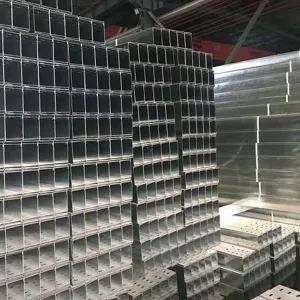
Galvanized cable tray
Category: Long-Span Cable TrayBrowse number: 30Number:Release time: 2025-11-22 03:35:59Install a set of tensioning devices under the cable tray. The galvanized cable tray forms an arch under the tension of the tensioning tendons. This generates compression on the lower cover plate of the tray and tension on the upper cover plate. This force is opposite to the stress caused by external loads, offsetting part of the working force and improving the stress state of the tray. Therefore, the prestressing method aims to reinforce the tray and correct deflection. It is simple and easy to control, but has limitations: electric ball valves are not easy to calibrate, and the tray deformation is complex.

News
Category:
No search results found!
Case
Category:
No search results found!
Video
Category:
No search results found!
Download
Category:
No search results found!
Job
Category:
No search results found!
Featured Products
No search results found!



 WhatsApp
 Phone
Phone E-mail