
Below, Dexian Metal Products Co., Ltd. introduces the common types of cable trays:
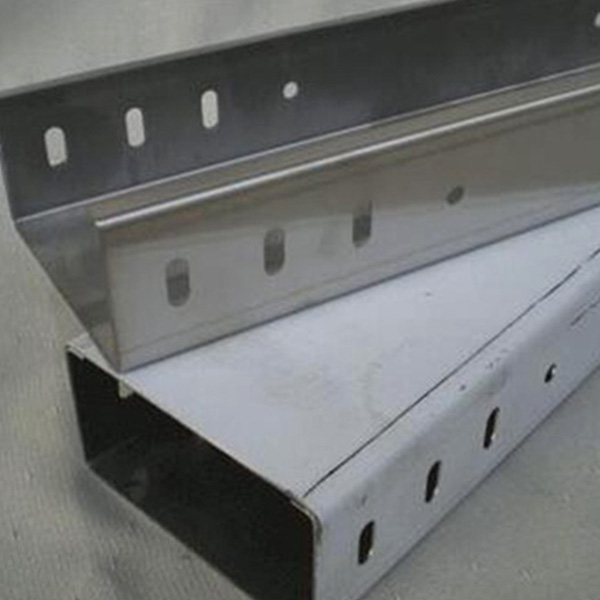
1. Hot-Dip Galvanized cable trays
Suitable for harsh acid-base and humid environments, featuring excellent corrosion resistance and a long service life. The relative cost is slightly higher.
2. Electrostatic Powder-coated cable trays
Available in various colors customized with plastic powder, boasting an attractive appearance. Epoxy plastic powder and polyester powder options cater to different environmental conditions, offering broad applicability and aesthetic appeal.
3. Galvanized Cable Trays
Ideal for general environments. With low cost and easy on-site installation, they are suitable for both power cable installation and control cable laying. Widely used in industries such as petroleum, petrochemicals, light industry, television, and telecommunications.
4. Stainless Steel Cable Trays
High-corrosion-resistance stainless steel cable trays excel in strong corrosive media (e.g., acid-base atmospheres) in chemical enterprises. They offer a long service life, aesthetic appearance, and easy cleaning, making them irreplaceable by trays made of other materials.
Manufactured with aluminum alloy profiles as the main material, these trays are lightweight, visually appealing, corrosion-resistant, and durable. Particularly suitable for high-rise buildings and modern factories.
6. Fiberglass-Reinforced Plastic (FRP) Cable Trays
Composed of glass fiber-reinforced plastic, flame retardants, and other additives, pressed with a stainless steel shielding mesh via composite molding. The low thermal conductivity of the materials and added flame retardants endow the product with fire resistance, heat insulation, and self-extinguishing properties, along with high corrosion resistance, lightweight structure, aging resistance, and reliability. It performs exceptionally well in general environments, especially in coastal foggy areas, high-humidity regions, and corrosive conditions.
This website uses cookies to ensure you get the best experience on our website.

 Español
 Portugues
 Pусский
 العربية



 WhatsApp
 Phone
Phone E-mail
Comment
(0)