
The zinc layer thickness of hot-dip galvanizing (HDG) is usually above 65 μm (455 g/m²). A zinc-iron alloy layer is formed at the bonding interface between zinc and iron, enhancing the adhesion of the zinc layer. Foreign cable tray manufacturers have conducted atmospheric exposure tests on hot-dip galvanized coatings under different environments. According to the test results, hot-dip galvanizing can meet the service life requirements of cable trays.
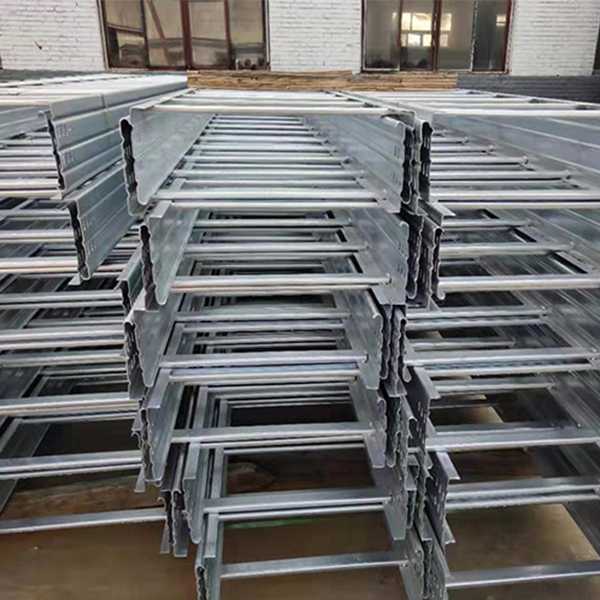
Hot-dip Galvanized cable trays are widely used at home and abroad due to their excellent corrosion resistance and high cost-performance ratio. For thin-walled components with a large slenderness ratio, the structure of the cable tray and galvanizing techniques must be carefully considered to prevent deformation during the hot-dip galvanizing process. Poor galvanizing quality can lead to rust, large-area coating blistering, and peeling.
Other coatings have poor UV resistance and are generally not suitable for outdoor use.
Electrogalvanizing
Compared with hot-dip galvanizing, the electrogalvanizing process for cable trays is simpler and lower in cost, making it suitable for cable tray structures without special anti-corrosion requirements. The protective performance of electrogalvanizing can be significantly improved through passivation treatment. However, the electrogalvanized layer is usually only about 12 μm thick, so it is not suitable for applications requiring a long corrosion-resistant service life.
What Are the Correct Anti-Corrosion Methods for Cable Trays?
1. Electroplating Layer Selection
The type of electroplating layer, coating thickness, coating adhesion strength, and corrosion resistance tests shall be clearly defined. The selection criteria and requirements vary according to different design objectives. To improve corrosion resistance, zinc-nickel alloy electroplating or high-passivation treatment after galvanizing can be adopted.
2. Anti-Rust Paint Coating
For large-sized structural components, due to the limitations of zinc pots, electroplating tanks, and ovens, anti-rust paint coating is usually the only feasible anti-corrosion method. Although this method has the advantages of low cost and easy application, its corrosion resistance is poor, resulting in a short service life and heavy maintenance workload. Therefore, it is generally not recommended for long-term use.
3. Aluminum Alloy Trays
Aluminum alloy trays have been widely used in China as an alternative anti-corrosion solution. (Note: The original text implies aluminum alloy's inherent corrosion resistance, so this method is supplemented to complete the anti-corrosion method system.)
This website uses cookies to ensure you get the best experience on our website.

 Español
 Portugues
 Pусский
 العربية



 WhatsApp
 Phone
Phone E-mail
Comment
(0)