
What Requirements Should Be Met When the Cable Tray System Forms a Grounding Main Circuit?
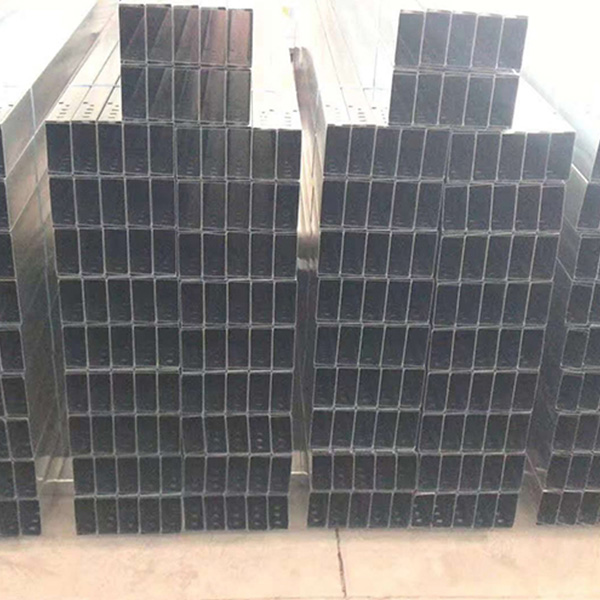
When the cable tray system forms a grounding main circuit, the following requirements must be met:
The connection resistance between the two ends of the tray shall not exceed 0.00033 ohms, and the insulation coating on grounding holes shall be removed.
In neutral-point grounded systems with a voltage of 1KV and below, the grounding of powered equipment shall be connected to the neutral line grounding of the system.
When installing power cabinets with local power cutoff functions, the longitudinal cross-sectional area of the metal part of the tray shall not be less than the specified value.
When laying an additional grounding main along the entire length of the tray, each section of the tray (including non-linear sections) shall be reliably connected to the grounding main at least at one point.
For vibrating locations, spring washers shall be installed at the connections of grounding components.
To prevent excessive tension on cables during laying, avoid mechanical damage, and facilitate neat arrangement and fixation, cables shall be laid on cable trays or supports. This design features fewer connectors, offering convenience and cost savings. Special cutting tools allow for easy and quick cutting without damaging cables.
Therefore, to achieve the required protective resistance value, when installing artificial grounding devices buried outdoors, their resistance shall meet the following formula:
This website uses cookies to ensure you get the best experience on our website.

 Español
 Portugues
 Pусский
 العربية



 WhatsApp
 Phone
Phone E-mail
Comment
(0)