
As we all know, in today's era, cable trays are quite popular in the market. With the continuous development of the economy, more and more people choose to use cable trays. So, what should you know when selecting cable trays?
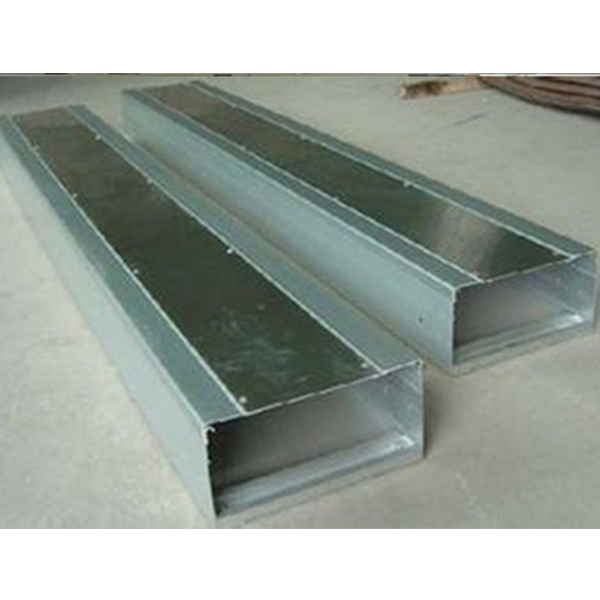
1. Filling Rate
The selection of the width and height of cable ladder trays shall comply with the requirements of the filling rate. Under normal circumstances:
For power cables: The filling rate in ladders and trays can be 40% to 50%.
For control cables: The filling rate can be 50% to 70%.
Additionally, a 10% to 25% reserve margin for future project expansion is recommended.
2. Actual Requirements
It is crucial to select cable trays based on your specific practical needs. There are numerous types and models of cable trays available, and different usage requirements correspond to different product models and types. Only by choosing a product that suits your needs can you maximize its effectiveness and improve production efficiency.
3. Product Certificates
When selecting, check whether all relevant certificates of the cable trays are complete—this is of great help in choosing a qualified product. During purchase, the manufacturer's production license and product quality inspection certificate are particularly important. Always choose products with complete certificates for better reliability.
What Should You Know When Choosing Cable Trays?
4. Fire Rating
In sections with fire protection requirements:
Closed or semi-closed structures can be formed by adding fire-resistant or flame-retardant plates, nets, or other materials inside the cable ladder trays.
Measures such as applying fireproof coating on the surface of the trays and their supports/hangers shall be taken.
The overall fire resistance performance shall meet the requirements of relevant national specifications and standards. Aluminum Alloy Cable Trays are not recommended for places with high engineering fire protection requirements.
5. Corrosion Resistance
If the service environment is corrosive, ensure that the selected cable trays are made of corrosion-resistant materials or have undergone anti-corrosion treatment after production. Only in this way can the trays better adapt to various corrosive environments, maximize their performance, and play a more effective role in operation.
6. Structural Type
In engineering design, cable trays are often referred to generally as "trays" without specifying their specific structural characteristics. The prices of cable trays vary significantly by type and material, and unclear structural types can cause troubles during construction. Therefore, during the design phase, designers should be required to reasonably select the structural characteristics of the trays based on the engineering environment and technical requirements, and clearly indicate them in the model marking of floor plans and material lists.
This website uses cookies to ensure you get the best experience on our website.

 Español
 Portugues
 Pусский
 العربية



 WhatsApp
 Phone
Phone E-mail
Comment
(0)